
Fields marked with an * are required
"*" indicates required fields

Being hit by a drunk driver is a terrifying and possibly fatal experience. If you or a loved one has been injured due to the negligent actions of a drunk driver, you are probably wondering if you can sue a bar for a drunk driving…
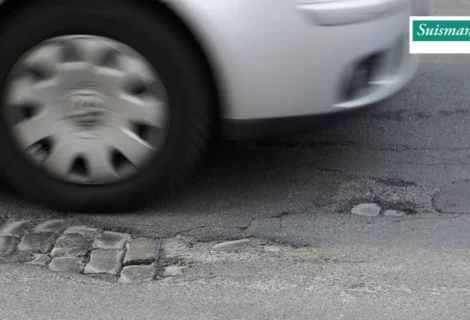
Car accidents caused by road hazards, such as potholes, can leave drivers wondering who is to blame for the damage they’ve sustained. What if a pothole caused your car accident in Connecticut? Who will pay for your damages? At Suisman Shapiro Attorneys-At-Law, our car accident…
Following a car accident, you are likely searching for answers regarding the at-fault party and who can be held liable for compensation. It is important to understand how speeding affects liability in a Connecticut car accident, whether you were hit and injured along I-95 or…

Picture this: You have stopped at a stop sign or red light in accordance with the traffic laws of Connecticut, when all of a sudden, something slams into the back of your vehicle, and your head and neck are sent cracking forward, then back in…
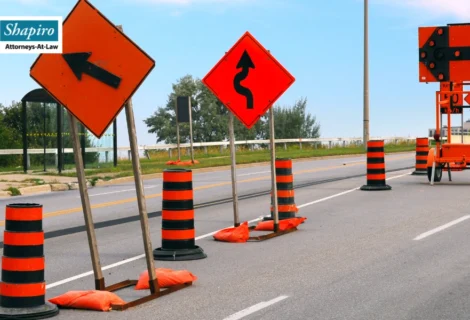
Across Connecticut, roadway construction zones are a common sight. Especially in the summer, drivers have grown accustomed to having to stop and wait their turn when passing through these work zones. While these projects are necessary for the economy and infrastructure, they can create hazards,…

All drivers need to understand Connecticut car accident & rental car coverage. Connecticut law requires all drivers to have auto insurance, and this insurance will cover damages a driver causes in an accident. If another driver caused your recent accident, you may be able to…
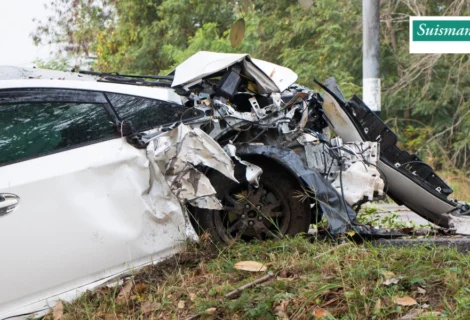
Many people visit Connecticut and rent cars during their stay, and others rely on rental cars when their own vehicles need to be repaired. Accidents involving rental cars can occur for the same reasons as all other accidents. In Connecticut, rental car accidents can potentially…
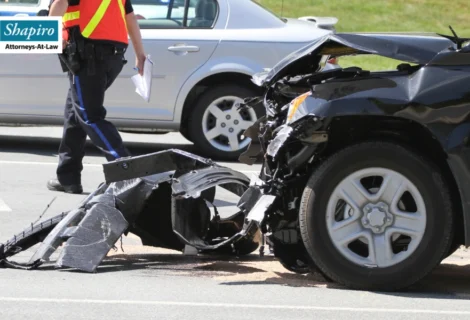
In Connecticut, car accident passenger rights are generally the same as drivers’ rights after they are injured due to the negligence of others. Resolving the legal aftermath of any car accident can be challenging, and determining fault is a crucial first step in any such…
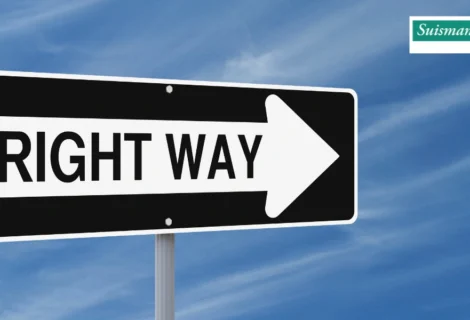
Every driver in Connecticut is required to obey posted traffic signals and road signs, and every driver is expected to understand the right-of-way when navigating heavy traffic. But what are the right-of-way laws in Connecticut? Drivers must understand how motor vehicle traffic is meant to…
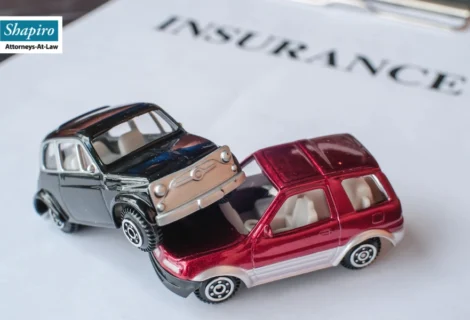
Dealing with auto insurance can be challenging after a car accident, and many drivers have trouble understanding PIP coverage after a car accident in Connecticut. In most no-fault states, Personal Injury Protection (PIP) is a strict requirement with a no-fault auto insurance policy, but Connecticut…
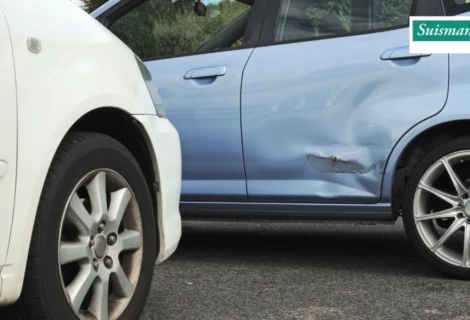
If you are injured in a car accident, you may be unable to work until you recover. If another driver caused the accident, you have the right to claim compensation for any economic and non-economic losses you suffered because of their negligence. If you will…
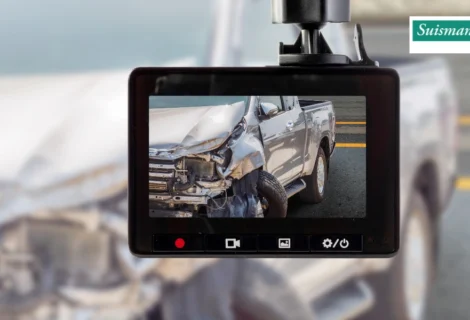
Many drivers are investing in dashcams, and you should know how dashcam footage can help your CT car accident case. In Connecticut, any accident that involves multiple drivers is resolved on a fault basis, meaning the driver who caused the accident is liable for the…
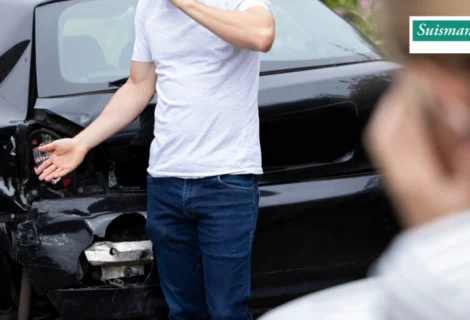
Connecticut law requires every driver to have auto insurance, and a policy must meet minimum requirements for bodily injury liability coverage, property damage liability coverage, and uninsured motorist coverage. When it comes to what to know about Connecticut uninsured motorist coverage, drivers should understand that…
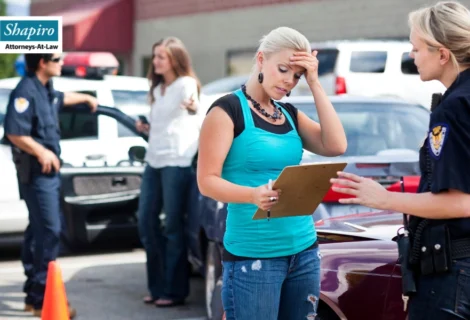
Car accidents are a leading cause of personal injuries and accidental deaths in Connecticut each year, and the aftermath of any accident can be traumatic and confusing. The Connecticut personal injury attorneys at Suisman Shapiro Attorneys-at-Law has developed this complete guide to Connecticut car accident…

© 2026 Suisman Shapiro Attorneys-at-Law. All rights reserved.
Digital Marketing By: 
*Images are obtained under license from Canva and other third-party stock image providers, with attribution included where required.