
Connecticut Route 2 Accident Lawyer
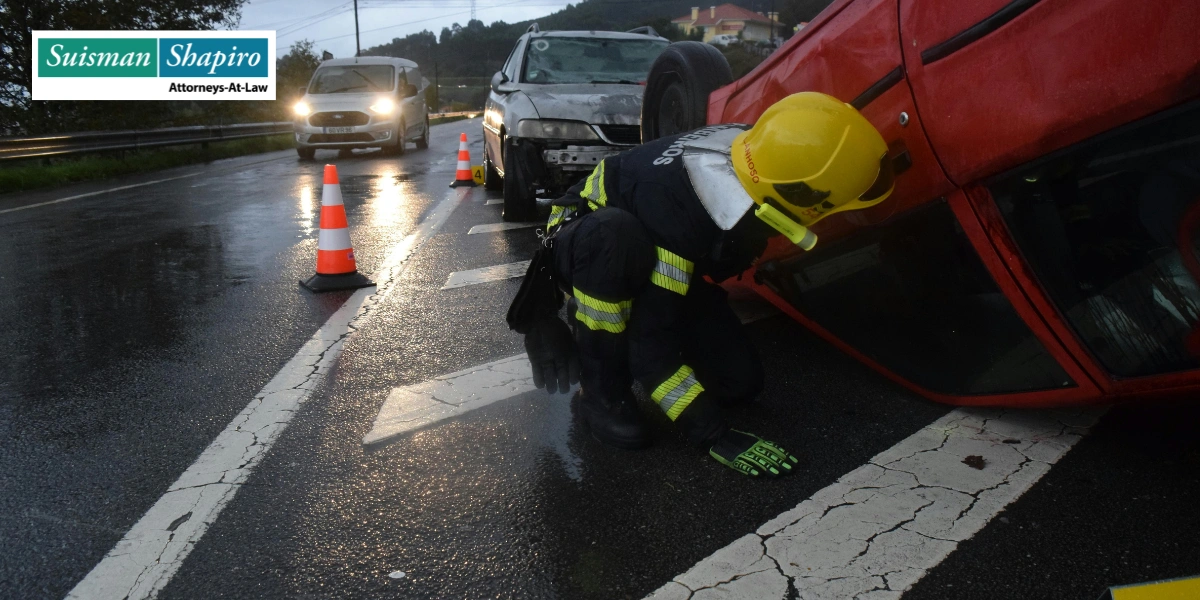
A crash on one of the state’s major commuter routes can turn a typical day upside down in a matter of seconds. A Connecticut Route 2 accident lawyer can assist injured drivers and passengers understand liability, growing expenses, and the pressure that usually accompanies a serious collision.
Suisman Shapiro Attorneys-At-Law advocate for people who need practical answers and realistic guidance while working to regain control after a major roadway incident.
Hire a Car Accident Lawyer
Suisman Shapiro Attorneys-At-Law has been protecting the rights of clients throughout Connecticut for over 80 years, with attorneys who have been honored for their professional accomplishments and leadership.
The Connecticut personal injury lawyers at the firm have been named Super Lawyers, have received Martindale-Hubbell AV Preeminent ratings, and have been selected for Best Lawyers. The team is well-versed in negotiation and litigation and can offer you informed representation in complex motor vehicle injury cases.
Congestion and Commuter Patterns Along Route 2
Routine commutes between the state’s central and eastern regions keep traffic flowing on Route 2, but the sudden braking and variable speeds required here can also set off chain-reaction crashes. Habits are powerful on this main corridor. Drivers let their guard down when approaching a familiar scene, but variables change quickly, and what is considered routine one moment can turn chaotic the next.
State transportation reports indicate there were 83,750 crashes in Connecticut in 2025, involving 156,647 vehicles and 200,650 people. The numbers reflect how many otherwise normal trips have the potential to turn deadly. Heavy volume, little reaction time, and alternating rhythms give drivers insufficient time to respond if something goes wrong.
The Role of State Highway Design in Certain Crashes
Roadway layout can influence events long before vehicles make contact. Entrances, taper length, developing areas of sight, and distance to an exit may influence driver placement and expectation of actions from others. Travel along Route 2 is routinely patrolled by the Connecticut State Police, who monitor the flow of traffic and react when incidents occur.
Regardless of supervision, many cars often approach an area with varying speeds, creating pressure for quick decisions. Assessment of roadway conditions may depend upon review of travel patterns and how the surroundings influenced driver responses.
When Serious Injuries Interrupt Work and Family Life
The aftermath of a highway collision extends long beyond the point where the vehicles finally come to rest. It can take time off work to recover, difficulty with schoolwork or tasks of daily living, and the need to rely on others for transportation and assistance. Rehab visits, physical and counseling therapy, and pain management can disrupt routines for months or more.
Family members must also adapt to a changed financial situation, often without knowing what to expect in terms of recovery. An accounting of damages needs to go beyond what happened during the period of EMS involvement to look at the longer-term effects on an individual’s ability to earn an income, move about, and otherwise engage in normal life.
Steps That Can Protect a Claim After a Route 2 Collision
The actions you take immediately following a collision can have a major impact on the eventual outcome of your claim. If you were involved in an accident near Norwich or the I-395 interchange, getting photographs, exchanging witness information, and getting a prompt medical evaluation can help prevent critical details from being lost or forgotten.
Reports from the Connecticut Department of Transportation show that 274 individuals were killed on state highways in 2025. A serious crash on the highway can have devastating long-term consequences for victims and families alike. Recording the details as soon as possible can result in a more accurate picture of the events that transpired as well as a better understanding of how injuries developed in the aftermath.
Under Connecticut law, a person injured in a motor vehicle collision generally has two years from the date of the crash to file a legal claim. Failure to bring the action within that period can bar recovery. It is important to hire a Connecticut car accident lawyer after a Route 2 crash so they can help you understand how filing deadlines apply to the specific facts of your case.
Filing an Injury Claim as a Passenger in a Vehicle
Passengers in a vehicle usually have the right to seek compensation for injuries they suffer, even if they are familiar with the driver. Liability may lie with another motorist, multiple parties, or under different insurance policies, depending on how the crash occurred. Separate passenger claims allow them to recover based on their personal medical and financial losses.
Legal counsel can help level the playing field when dealing with an insurance company whose professionals evaluate claims every day. An attorney can help with record-keeping, tallying losses, talking to adjusters, and preparing a case should negotiations fail. Guidance can also lower the risk of accepting a resolution before the full impact of injuries is known.
What if Symptoms Appear Days After the Accident?
Injuries that are not readily apparent in the immediate aftermath of a crash. Pain, neurological problems, or loss of function may present after the effects of adrenaline wear off or when inflammation worsens. Subacute symptoms can still have a medical basis, and documentation from follow-up care providers may be useful in proving a nexus to later diagnoses.
Contact a Connecticut Route 2 Accident Lawyer
Seeking recovery after a highway collision often includes more than just making car repairs. Medical care, employment issues, and continuing communication with insurance companies can become a handful without dependable information.
At Suisman Shapiro Attorneys-At-Law, we work with individuals across Connecticut who want to learn more about their rights and the options available to them after a Route 2 accident. Our team is dedicated to helping injured drivers and passengers receive the care and justice they need after facing the devastating consequences of a crash.
A consultation with a skilled attorney can help clarify potential sources of recovery, explain procedural requirements, and point the way toward a steadier path forward during a trying time. To get started, schedule a no-obligation consultation today.


© 2026 Suisman Shapiro Attorneys-at-Law. All rights reserved.
Digital Marketing By: 