
New London Slip and Fall Lawyer
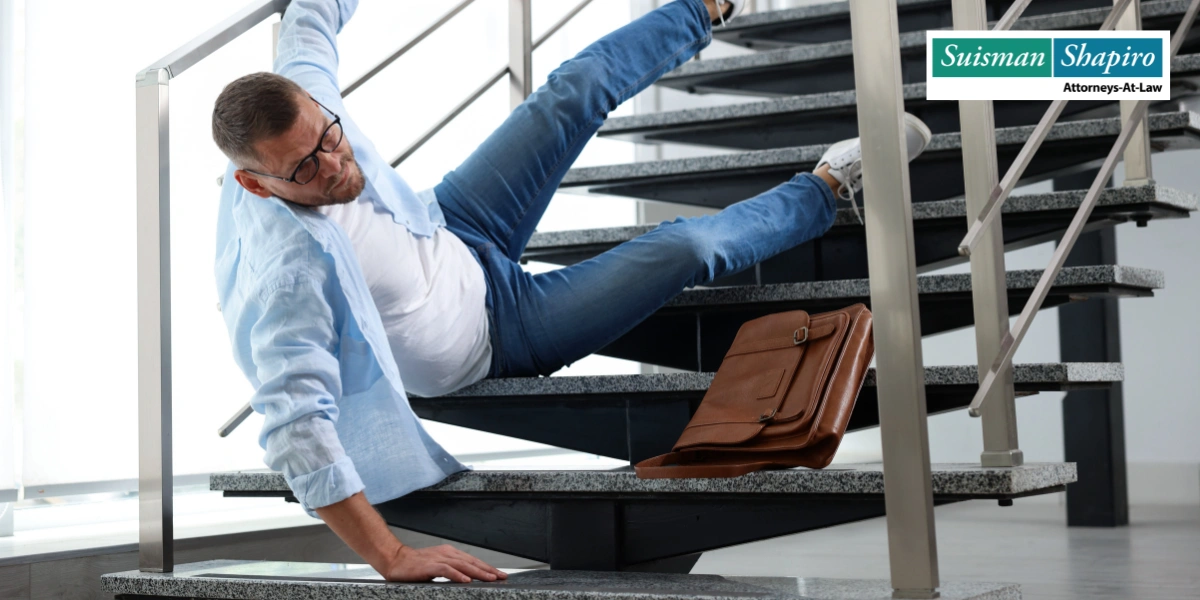
New London Slip and Fall Attorney
Property owners have a duty to keep their premises safe for visitors. Whether you’re at a friend’s apartment or shopping at the supermarket, you have the right to walk around without worrying about falling. When you slip and fall on a hazard without warning, you shouldn’t be responsible for your medical bills and other losses. A New London slip and fall lawyer can help you pursue compensation for personal injuries caused by someone else’s negligence.
Proving Negligence in a Slip and Fall Case
To receive compensation for your slip and fall case, you need to prove the property owner was negligent. To do so, you have to establish the four elements of negligence. These include:
- Duty of care: Property owners have a duty to keep their premises safe for visitors. This means addressing known issues immediately and warning visitors of hazards. For example, a property owner has a duty to repair a broken railing, ensuring visitors have support while using stairs.
- Breach of duty: If a property owner doesn’t address a hazard in a timely manner or warn visitors, they could be in breach of their duty of care. For example, failing to put out a wet floor sign could qualify as a breach of duty.
- Causation: Causation requires you to prove the owner’s breach led to your fall. If you slipped on a wet floor without a sign or an icy sidewalk days after a storm, this could be proof of causation.
- Damages: There’s no compensation to pursue if there are no damages. You must show that you suffered injuries or other losses because of the accident.
Slip and Fall Injuries by the Numbers
Slips and falls are the second leading cause of unintentional injury-related deaths in the U.S., highlighting the danger of these accidents and the importance of pursuing compensation following a fall injury. Below are some insights into the severity of slips and falls:
- Slips and falls account for 21% of preventable deaths in the country.
- There are about three million emergency department visits every year for falls.
- One in four older people suffers falls every year.
Common Causes of Slips and Falls
The majority of slip and fall accidents are preventable, often caused by hazards that property owners fail to fix, clean, or warn visitors about. Understanding the common causes of these accidents can help you avoid danger and recognize when negligence might be at play for your injuries. Common causes of slips and falls include:
- Wet floors
- Snow and ice
- Uneven walking surfaces
- Poor lighting
- Broken stairs
- Cluttered walkways
The Team at Suisman Shapiro Attorneys-at-Law Is Here to Help Slip and Fall Victims
Slip and fall laws can be complicated, and navigating an injury case on your own can be challenging. That’s where Suisman Shapiro Attorneys-at-Law can come in. We’ve been offering knowledgeable legal support to the community of New London for over 80 years, and we know what it takes to pursue damages for slip and fall accidents.
We can help injury victims investigate the cause of the accident, collect evidence proving a property owner’s negligence, and represent you in settlement negotiations. If necessary, our experienced trial attorneys can take your case to court, pursuing the compensation you deserve.
FAQs
Can I File a Claim If I Slipped on Snow or Ice Outside of a Business or Home?
Filing a claim for a slip on snow or ice outside of a business or home in New London may be complicated. Property owners are responsible for removing hazards within a reasonable amount of time after a storm. If you slip and fall on snow or ice shortly after or even during a storm, the owner may not be liable. If, say, days have passed since the storm and the property remains dangerous, the owner may be responsible for your damages.
Is a Landlord or a Tenant Responsible for a Fall Inside an Apartment Building?
Whether a landlord or tenant is responsible for a fall inside an apartment building depends on where the fall occurs. If you slip in a common area like a hallway or on stairs, the landlord would generally be liable. However, if you’re inside a person’s apartment and fall due to a hazard under their control, they would be responsible for your damages.
Can I Still File a Claim If I Didn’t Get Medical Attention Immediately After a Fall?
Yes, you can still file a claim if you didn’t get medical attention immediately after a fall. However, the insurance company can try to use that against you when it comes time for settlement negotiations. They may argue your injuries aren’t as severe as you claim, or they may say something else caused them after the accident. With strong evidence, you can prove your injuries were the result of the fall and that you deserve appropriate compensation.
Can I Recover Compensation If I Was Partially At Fault for My Fall?
Yes, you can still recover compensation if you were partially at fault for your fall. The state’s modified comparative negligence laws allow you to pursue damages even if you contributed to the accident, so long as you are not more than 50% at fault. However, your award can be reduced by the percentage of fault you’re assigned.
Hire a Slip and Fall Lawyer from Suisman Shapiro Attorneys-at-Law
Slips and falls are serious accidents, often resulting in long-term injuries and even wrongful death. You shouldn’t have to bear the responsibility of someone else’s negligence. Hire a slip and fall lawyer to help you pursue the compensation you need to move on from your injury. A New London slip and fall attorney can investigate the accident, collect evidence, and represent you in settlement negotiations or court proceedings.
Suisman Shapiro Attorneys-at-Law is here to guide you through the process. Contact our team now to schedule a free consultation to discuss your case and plan a path forward. We work on a contingency-fee basis, meaning we don’t get paid unless we help you recover compensation.


© 2026 Suisman Shapiro Attorneys-at-Law. All rights reserved.
Digital Marketing By: 